The Camel Coat: Why It's the Most Elegant Coat You Can Own
If one coat could be called quietly perfect, it’s the camel coat — the warm-neutral, endlessly-elegant piece that elevates everything under it and never, ever dates. The trench-and-coat edit on the classic: the case for its elegance, how to wear it and the choosing-and-caring notes.
The Camel-Coat Case
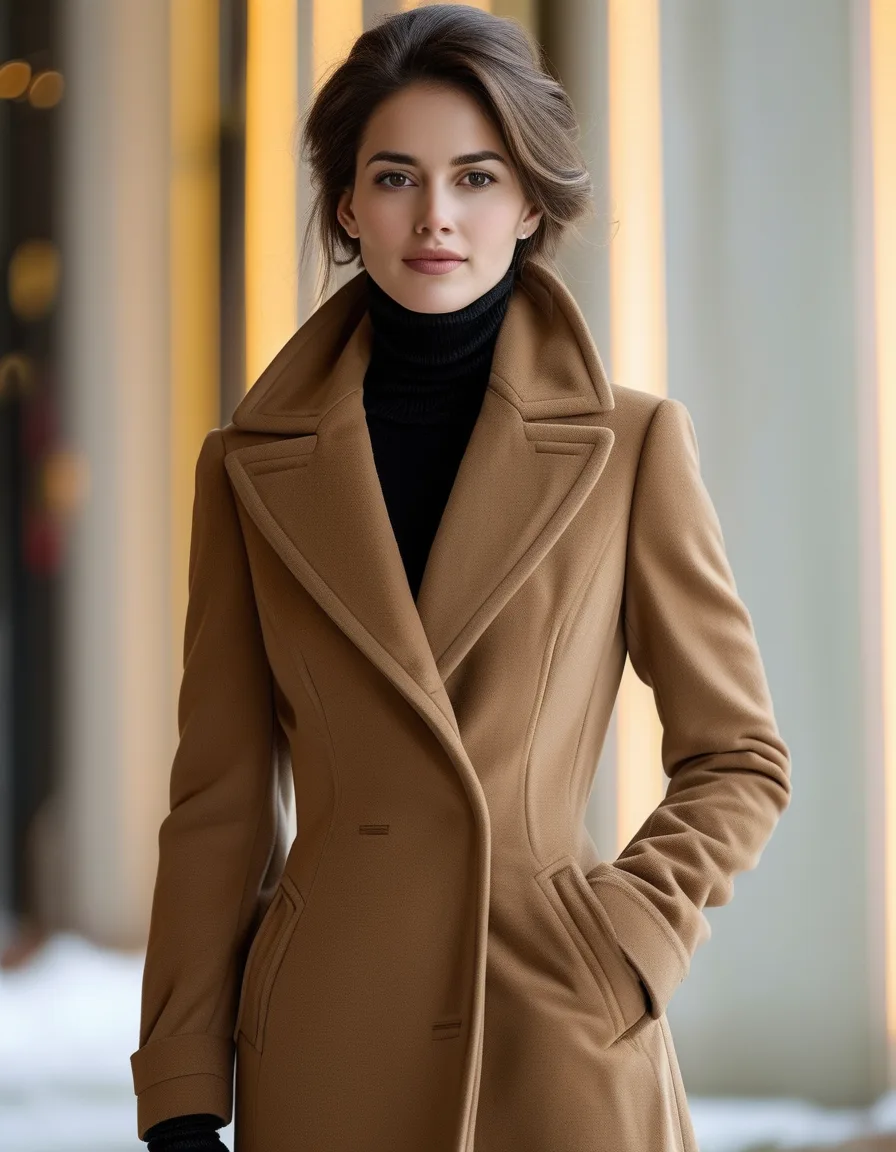
Why the camel coat is quietly perfect: the endlessly-elegant (the camel coat’s timeless elegance — the never-dates; the wool-coat-buying foundation), the warm-neutral-versatility (the camel as a warm-neutral working over everything — the goes-with-all; the elevate-everything), the elevates-what’s-under (the camel coat lifting any outfit — the instant-elegance; the the-elevating-topper), the the-investment-classic (the camel coat as a buy-once-wear-decades classic from the coats-worth-investing logic — the cost-per-wear; the invest-in-the-classic), and the reframe (the camel coat as the quietly-perfect, elegant, versatile investment coat).
The How-to-Wear-It Formulas
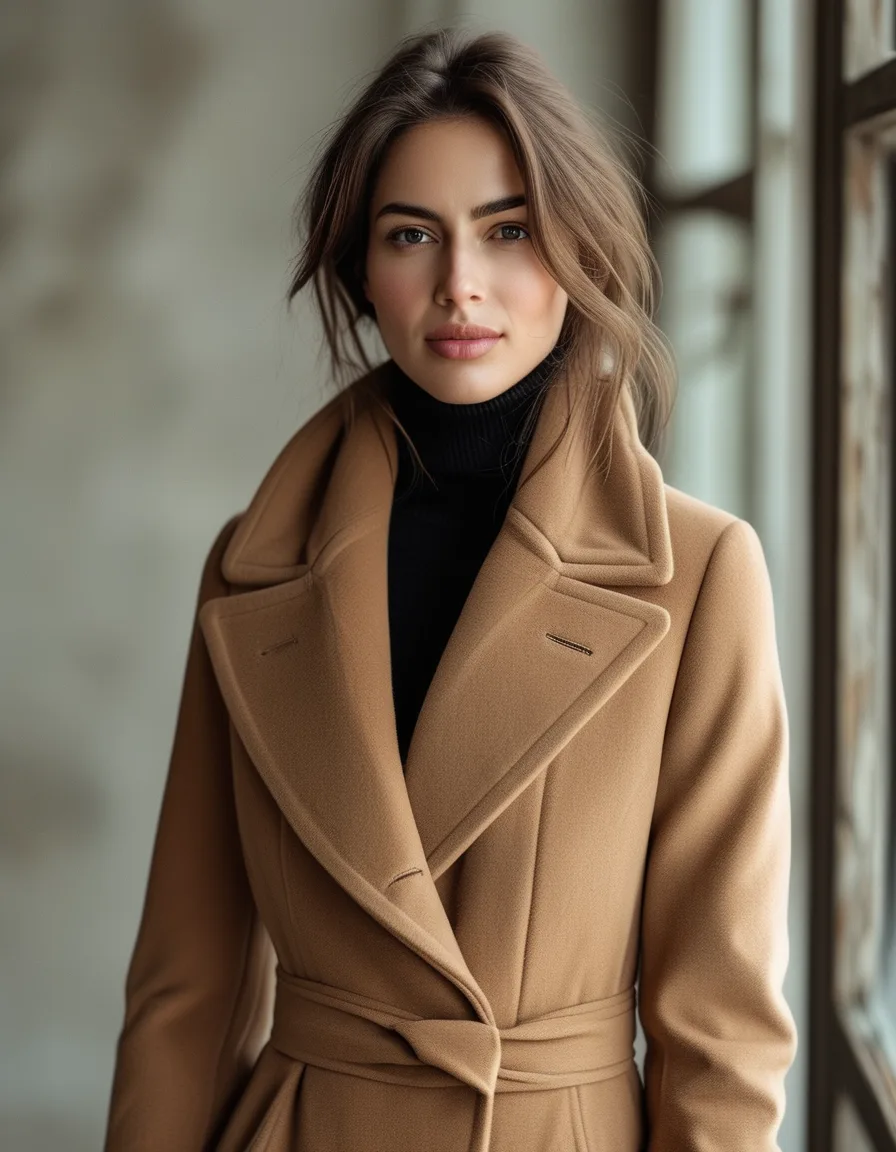
Styling the camel coat: the camel-over-neutrals (the camel coat over cream, gray, black or tonal — the sophisticated-neutral; the elevated-cohesion), the camel-over-denim (the camel coat over jeans — the elevated-casual; the polish-the-everyday), the camel-tonal (the camel coat in a tonal camel-and-cream outfit — the rich-monochrome; the tonal-elegance), the camel-with-a-pop (the camel coat with a single color accent — the neutral-plus-pop; the red-or-jewel-tone), the camel-over-tailoring (the camel coat over workwear — the professional-elegance; the office-topper), the belt-or-open (the camel coat belted-for-shape or open-and-relaxed — the styling-choice), and the camel-with-boots-and-scarf (the camel coat with boots and a scarf — the complete-winter-look; the accessorize).
The Choosing-and-Caring Notes
Choosing and caring for a camel coat: the the-right-camel-tone (the camel shade suiting your coloring — warm-or-cool camel; the flattering-neutral), the quality-wool (the quality wool or wool-blend from the wool-coat-buying chapter — the invest-in-fabric; the the-material), the the-fit-and-silhouette (the flattering silhouette from the coat-silhouette-guide chapter — the fit-and-shape; the the-cut), the the-classic-cut (the timeless cut over trendy — the never-dates; the classic-silhouette), the care-the-coat (the wool-coat care and storage from the coat-fit-guide logic — the protect-the-investment; the longevity), the summer-storage (the off-season coat storage — the keep-it-good), and the frame (the camel coat as an elegant, warm-neutral, quality-wool investment styled-over-everything and cared-for — the most elegant coat you can own. Own a quality-wool camel coat in a flattering classic cut and the right tone for your coloring — wear it over neutrals, denim, tonal or tailoring, belted or open — and care for it: the most elegant coat you can own, and one that never dates.
If one coat could be called quietly perfect, it’s the camel coat — the warm-neutral, endlessly-elegant piece that elevates everything under it and never dates. Wear it over neutrals (cream, gray, black), over denim (elevated-casual), tonal (camel-and-cream monochrome), with a single color pop, or over tailoring — belted for shape or open and relaxed, with boots and a scarf. Choose a quality wool in a flattering classic cut and the right camel tone for your coloring (warm or cool), and care for it with proper storage. A buy-once-wear-decades investment — the most elegant coat you can own.
Keep Reading
This article is for general styling and informational purposes only. Trends, sizing, availability and pricing may vary by brand and season.